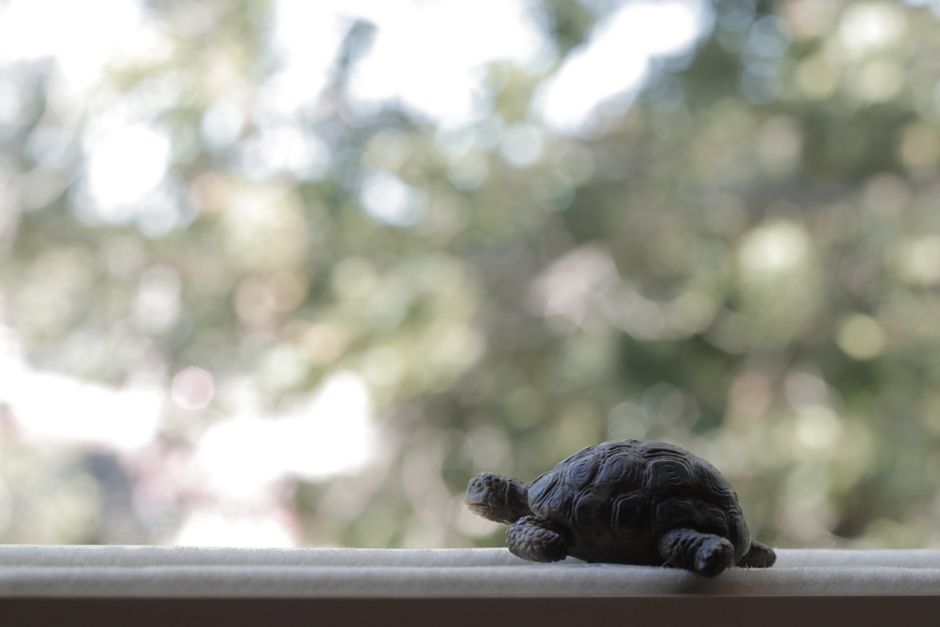
How to Keep Your Tortoise Outside Safely for Fresh Air
Many tortoise owners wonder if giving their shelled companion a taste of the outdoors is beneficial or safe. Sunlight and fresh air provide wonderful stimulation for your reptile, but setting up a secure space outdoors takes careful planning. Here is what you need to know about letting your tortoise enjoy the great outdoors safely.
Can You Keep Your Tortoise Outside All Year Round?
No, most pet tortoises cannot stay outside all year round unless your local climate stays warm and stable for their specific species throughout every season. For pet parents living in cooler regions, outdoor time is usually limited to warmer spring and summer months. When temperatures drop, bring your shelled friend indoors to a climate-controlled enclosure to keep them healthy and active. Always consult an exotic-animal veterinarian to determine the precise temperature range and care routine required for your specific tortoise breed.
When the weather is permitting, outdoor access offers physical exercise and mental engagement that an indoor habitat simply cannot match. Grazing on safe grasses and exploring new sights keeps your pet active and prevents boredom. However, you must always monitor local weather shifts, as sudden rainstorms or cold snaps can quickly harm a tortoise that cannot regulate its own body heat.
Creating a Safe Outdoor Habitat
A good outdoor habitat needs sturdy walls that extend deep into the ground to stop escape attempts. Tortoises are surprisingly crafty diggers and can burrow right under light wooden frames or wire fences if left unchecked. Make sure the perimeter walls are high enough that your pet cannot climb over or see through them, which reduces their desire to keep trying to escape. Adding secure mesh tops will protect smaller tortoises from birds of prey, neighborhood cats, and other curious backyard animals.
Why Is Natural Sunlight Important for Pet Tortoises?
Yes, direct sunlight is essential because natural ultraviolet rays allow your tortoise to produce vitamin D3 and process calcium properly. While high quality UVB heat lamps do a great job indoors, real sunlight provides full-spectrum rays that promote healthy shell growth and overall vital health. Regular access to unfiltered sunshine helps prevent painful conditions like metabolic bone disease that affect captive reptiles.
It is crucial to remember that glass windows and plastic covers block beneficial ultraviolet radiation. Placing your tortoise in a glass tank outside can quickly turn into a dangerous heat trap without offering any actual light benefits. Always ensure your pet has direct access to sunlight through an open-topped or wire-mesh enclosure with plenty of sheltered spots available at all times.
How Do You Keep Outdoor Tortoises Safe from Hazards?
You can protect your outdoor tortoise by removing toxic yard plants, securing enclosure walls, and always providing shaded retreat areas. Yards often contain hidden hazards like lawn fertilizers, chemical weedkillers, and wild plants that can make your reptile sick if consumed. Before letting your pet graze freely, clear the area of dangerous weeds and replace them with safe greens like dandelion or clover.
In addition to toxic plants, extreme heat poses a major danger to outdoor tortoises. Because reptiles rely on their environment to regulate body temperature, prolonged exposure to direct sun without relief can cause rapid overheating and hydration loss. Always create shaded zones using dense bushes, natural wood hides, or covered shelter boxes so your pet can cool down whenever needed.
Providing Shade and Water Outdoors
Every outdoor enclosure needs a cool, shaded resting area along with a shallow water dish at all times. The water container should be shallow enough for your tortoise to step into safely without any risk of drowning, but heavy enough that it will not tip over during daily use. Fresh water helps your pet soak and stay hydrated on warm days while keeping their digestive system moving smoothly.
Final Thoughts
Giving your tortoise access to fresh air and natural sunlight is one of the best ways to keep them happy and thriving during warm months. By building a sturdy, escape-proof pen with plenty of shade, safe forage, and fresh water, you create an ideal summer retreat. Just remember to consult your exotic vet regarding your specific tortoise species so you can transition them outdoors safely and confidently.
Frequently Asked Questions
What temperature is too cold for a tortoise to be outside?
Consistently cool weather or sudden temperature drops can be harmful to tortoises without heated shelters. Consult your exotic vet to establish the exact minimum outdoor temperature for your tortoise species.
Can tortoises eat grass from the lawn when kept outside?
Yes, tortoises can safely eat untreated lawn grass, clover, and dandelions as part of their diet. However, you must ensure the lawn has never been treated with synthetic fertilizers, weed killers, or pest sprays.
How deep should an outdoor tortoise fence be buried?
Backyard enclosure walls should extend several inches underground to prevent burrowing species from digging out underneath. Digging a deep base barrier keeps your tortoise contained while keeping neighborhood pests out.
Do tortoises need a shelter box in an outdoor enclosure?
Yes, every outdoor tortoise setup requires a shaded hide or shelter box to protect them from rain, wind, and harsh heat. This provides your pet with a dark, safe spot to regulate body temperature and rest.
Explore More Reptiles Guides
 🦎Reptiles
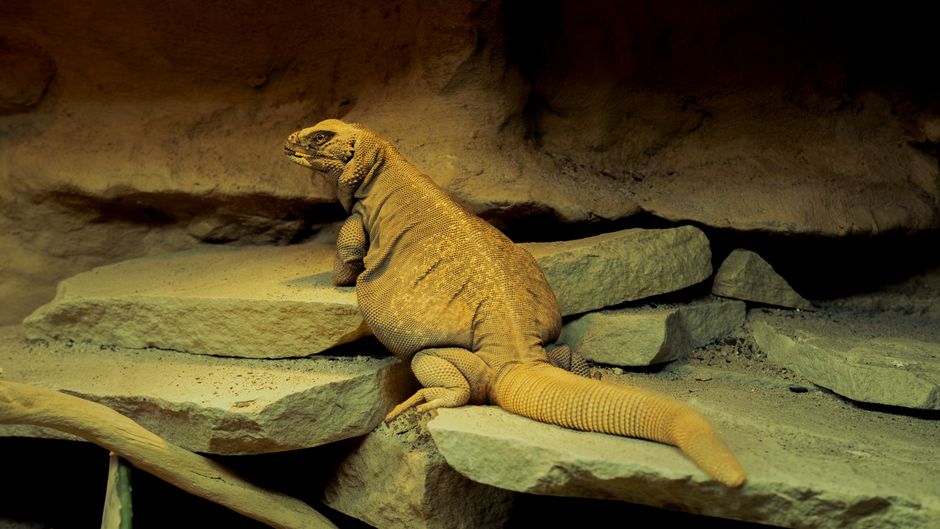
How Does the Chuckwalla Inflate into an Immovable Rock Plug?
Learn how the gentle desert chuckwalla uses a unique body inflation trick to lock itself inside stone crevices away from predators.
 🦎Reptiles
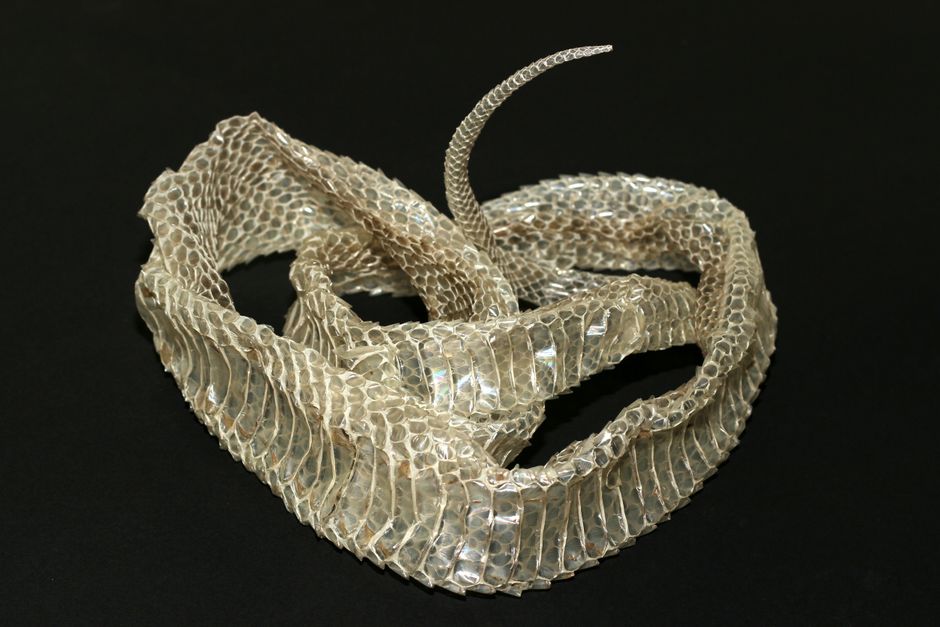
How Do Yellow-Bellied Sea Snakes Shed Skin Without Land?
Learn how the yellow-bellied sea snake stays clean and sheds skin in the middle of the ocean by tying itself in knots.
 🦎Reptiles
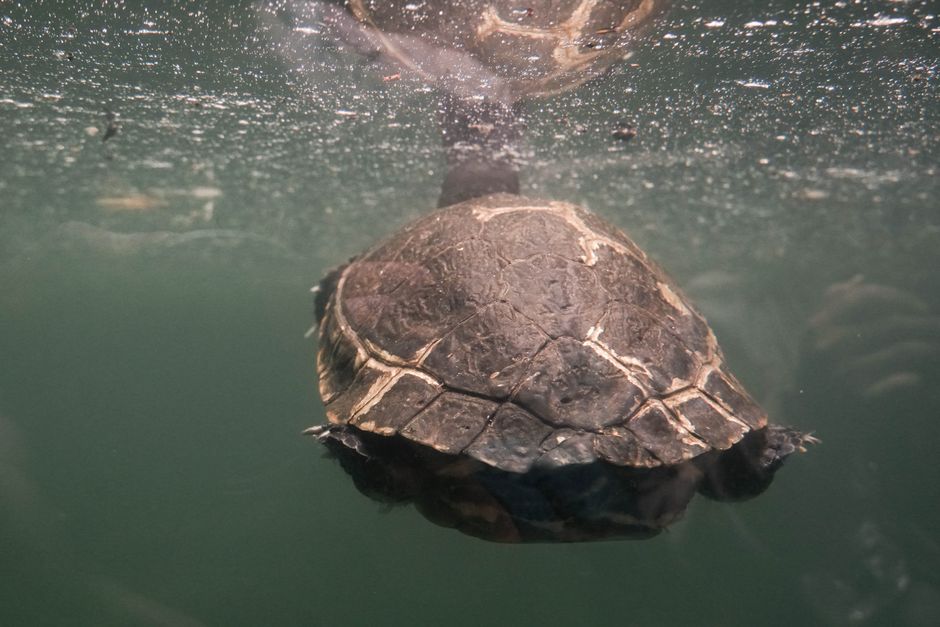
Do Turtles Really Breathe Through Their Rear Ends?
Aquatic turtles have a bizarre survival adaptation called cloacal respiration that lets them absorb oxygen underwater during freezing winters.