How Do Yellow-Bellied Sea Snakes Shed Skin Without Land?
If you have ever wondered how marine reptiles manage basic grooming in the middle of the open ocean, the yellow-bellied sea snake has one of the most incredible adaptations in nature. Unlike terrestrial snakes that rely on rough rocks or branches to peel off old scales, these oceanic creatures spend their entire lives floating far from any shoreline. Pet parents and reptile enthusiasts often search for how these animals keep clean, and the secret lies in a fascinating physical trick.
How Do Yellow-Bellied Sea Snakes Shed Their Skin Without Land?
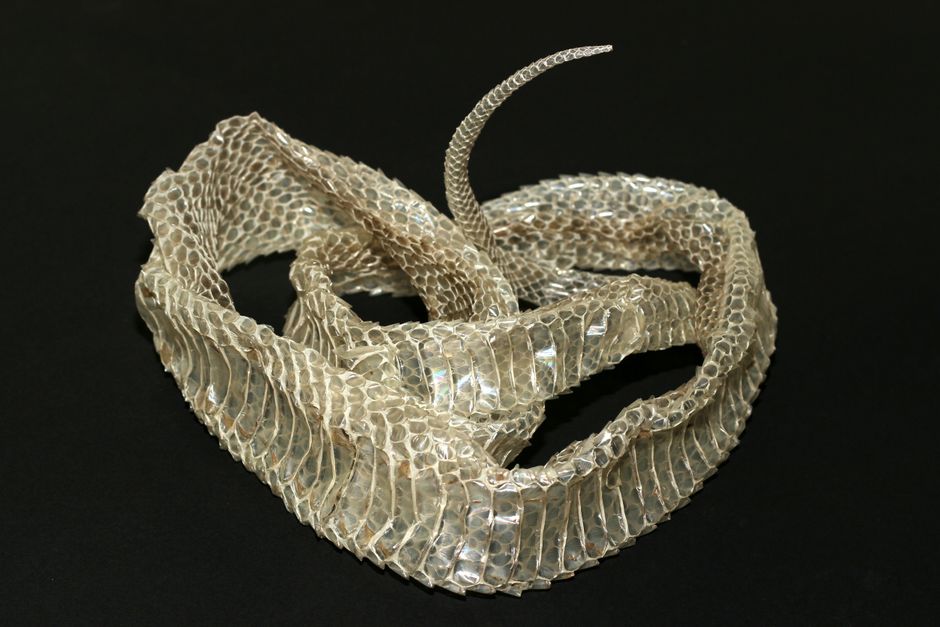
Yellow-bellied sea snakes shed their skin by tying their flexible bodies into tight knots and sliding through them to create friction. Because they never touch dry land or rest on solid ocean beds, they must generate their own friction entirely in midwater. Most land dwelling snakes begin shedding by rubbing their snouts against a hard rock, stick, or tree bark, creating a tear in the outer layer of skin that they can gradually pull backward like a sock. Without any solid objects available in the open sea, these sea snakes act as their own scratching post.
This process of sloughing off old skin is vital for a snake's survival and comfort. Old skin becomes tight, dull, and prone to damage over time. In a freshwater aquarium or terrestrial enclosure, a pet snake relies on proper humidity and rough decor to complete this natural process smoothly. Out in the boundless ocean, however, the yellow-bellied sea snake must rely entirely on its unique body shape and impressive muscular control to accomplish the exact same biological task.
Why Ocean Life Makes Shedding Skin So Hard
Life in open water creates unusual hygiene challenges that land reptiles never have to face. Floating constantly in salt water makes a snake's body an ideal floating home for small marine organisms like algae, barnacles, and tiny hitchhiking sea creatures. If these organisms accumulate on a snake's scales, they can create drag, slow down swimming speeds, and potentially lead to skin infections or health issues. Without a way to scrape against hard ground, aquatic snakes would quickly become weighed down by ocean growth.
Why Do Yellow-Bellied Sea Snakes Tie Themselves in Knots?
Yellow-bellied sea snakes tie themselves in knots to loosen old skin and scrape away accumulated dirt, parasites, and marine organisms. By coiling into a ball and looping their tail around their midsection, they create a firm ring of muscle. They then pull their head and torso through this self-made loop repeatedly, pressing their scales against each other. This constant rubbing motion exerts enough force to break open the old outer layer of skin at the snout and push it back along the entire length of the body.
This knotting behavior also allows the snake to clean hard-to-reach areas along its tail and underbelly. As the snake twists and slides through its own coils, the friction strips away stubborn algae patches and loose scales that might otherwise remain stuck. It is a simple, highly effective solution to a problem that would otherwise make life in the open ocean nearly impossible for a scale-covered reptile.
Can You Keep a Yellow-Bellied Sea Snake as a Pet?
No, yellow-bellied sea snakes cannot be kept as home pets because they are highly venomous, strictly wild ocean animals with complex environmental needs that cannot be recreated in a standard aquarium. Their specialized diet, pelagic open ocean living habits, and potent neurotoxic venom make them completely unsuitable for home care. If you are interested in keeping a snake at home, you should always explore peaceful, captive-bred species within our reptiles section that thrive under normal household care.
When considering any exotic animal, it is crucial to research a species fully before bringing one into your home and consult an exotic-animal veterinarian to ensure you can safely meet all housing and nutritional standards. Keeping wild caught marine snakes in captivity is dangerous for both the keeper and the animal. Appreciating these marine creatures from afar allows us to admire their unique behaviors while protecting ocean biodiversity and encouraging safe, responsible pet ownership.
Better Pet Snake Alternatives for Beginners
For reptile lovers who admire unique snake behaviors, there are many captive-bred pet snakes that are legal, safe, and rewarding to care for at home. Species like corn snakes, ball pythons, and garter snakes offer gentle temperaments and straightforward habitat setup. These terrestrial species shed their skin easily when provided with a damp hide box and proper humidity levels, eliminating the need for complex ocean water systems or specialized care routines.
Final Thoughts
The yellow-bellied sea snake showcases just how inventive nature can be when surviving in open ocean environments without solid ground. Understanding how these marine reptiles groom themselves helps us appreciate the wide variety of adaptations across the reptile world. If you love learning about fascinating reptiles, make sure to focus your home pet care efforts on captive-bred species that can live happy, healthy lives in home terrariums.
Frequently Asked Questions
Do yellow-bellied sea snakes ever come onto land?
Yellow-bellied sea snakes live entirely in the ocean and never leave the water to come onto land.
Are yellow-bellied sea snakes venomous to humans?
Yes, yellow-bellied sea snakes possess potent venom used for hunting fish in open ocean waters.
How often do sea snakes shed their skin?
Sea snakes shed their skin every few weeks to months to strip away ocean algae and allow for healthy growth.
How do sea snakes tie knots without getting tangled?
Sea snakes have extremely flexible backbones and smooth scales that allow them to slide easily through tight coils.
Explore More Reptiles Guides
 🦎Reptiles
How Does the Chuckwalla Inflate into an Immovable Rock Plug?
Learn how the gentle desert chuckwalla uses a unique body inflation trick to lock itself inside stone crevices away from predators.
 🦎Reptiles
Do Turtles Really Breathe Through Their Rear Ends?
Aquatic turtles have a bizarre survival adaptation called cloacal respiration that lets them absorb oxygen underwater during freezing winters.
 🦎Reptiles
How to Help a Sick Bearded Dragon Recover and Bounce Back
Discover how to spot early signs of illness and support your bearded dragon through a full health recovery.