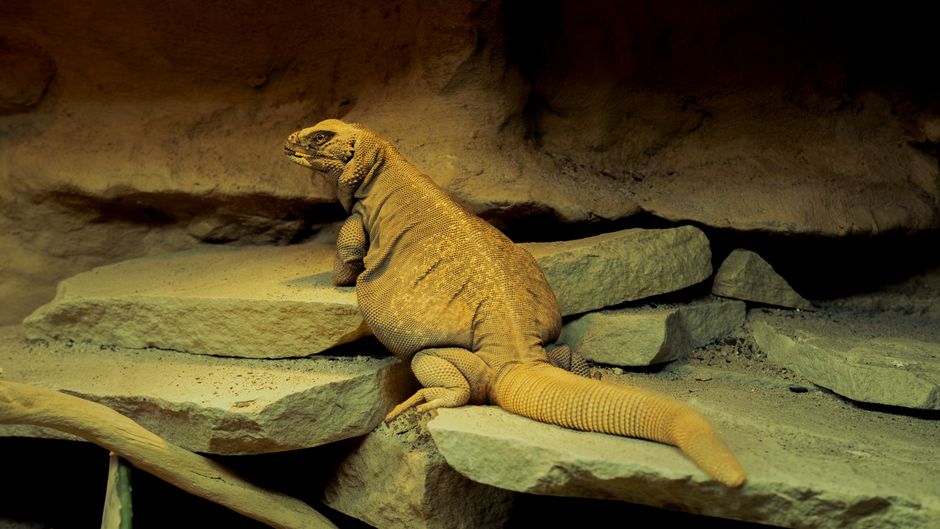
How Does the Chuckwalla Inflate into an Immovable Rock Plug?
Have you ever wondered how a heavy, slow desert lizard like the chuckwalla survives without sharp teeth or venom? The chuckwalla relies on one of the strangest natural survival tricks in the desert, turning itself into a solid wedge that predators simply cannot pull out of stone cracks. Many reptile enthusiasts are fascinated by how these calm, unique animals navigate life in rocky habitats. If you are curious about how this remarkable desert reptile stays safe in the wild and what makes it so special, you are in the right place.
How Does a Chuckwalla Defend Itself in the Wild?
A chuckwalla defends itself by wedging its body into a tight rock crevice and inflating its lungs with air. Unlike many other wild reptiles that rely on fast sprinting speed, sharp teeth, or venomous bites, this species has none of those traditional defense tools. When a hungry predator like a coyote or a hawk closes in, the lizard quickly scrambles into the nearest crack between desert stones. Once safely inside the gap, it takes deep breaths to expand its loose skin, turning its own body into an immovable rock plug that seals off the space.
Why Predators Cannot Dislodge an Inflated Lizard
Predators find it nearly impossible to dislodge the lizard once it expands inside a stone gap. The rough, textured scales press firmly against the surrounding rock walls, creating intense physical friction that resists strong claws and beak pulls. Hungry coyotes and large birds of prey usually give up after several failed attempts to grip the swollen body. This physical barrier turns a simple hiding spot into an unbreachable shelter, keeping the animal secure until danger passes.
Why Do Chuckwallas Inflate Their Bodies?
Chuckwallas inflate their bodies primarily to survive dangerous encounters with hungry predators in open terrain. Because they cannot outrun fast hunters or fight off attacks with sharp claws, hiding inside narrow rock crevices is their main line of survival. By expanding their torso with extra air, they make their body significantly wider than the narrow entrance of the rock crack. This clever natural defense ensures that larger animals cannot reach inside and pull them out to eat.
How the Inflation Defense Works inside Stone Crevices
The body of this desert lizard features prominent folds of loose skin along its sides, neck, and belly. When the animal is calm and resting in the sun, it appears somewhat flat, which allows it to slide into very thin stone gaps that predators cannot fit inside. Once positioned deep within the crack, it gulp-breathes air rapidly into its lungs. As the lungs expand, the loose skin stretches completely tight, locking the lizard securely between the top and bottom rock faces. It remains wedged tightly until it feels safe enough to exhale and crawl back out.
What Predators Hunt the Chuckwalla in Desert Habitats?
In their natural habitat, chuckwallas are routinely hunted by large birds of prey like hawks as well as mammals such as coyotes. Because desert environments often lack thick bushes, tall grass, or dense trees for hiding, these reptiles rely almost entirely on boulder fields and steep rocky outcrops for safety. Their dull brown, gray, black, or reddish scales match the surrounding stones, providing them with natural camouflage while they bask during the warm daytime hours. When camouflage fails and a predator spots them, their immediate retreat into stone crevices and subsequent body inflation keep them safe from hungry hunters.
Do Chuckwallas Make Good Pets for Reptile Enthusiasts?
Yes, chuckwallas can make calm and rewarding pets for dedicated reptile parents who can meet their specific desert environment needs. These fascinating animals generally have docile temperaments once settled, making them enjoyable to observe and care for in a home setting. Before bringing one into your family, it is important to thoroughly research their adult size, dietary needs, and space requirements to ensure you can provide a proper environment. You can learn more about caring for similar species by reading through our reptiles category guides. Always consult an exotic veterinarian to establish a proper care routine and ensure your pet stays healthy throughout its life.
Daily Care and Habitat Considerations for Owners
Providing a safe home for a desert lizard requires careful preparation and an understanding of their natural behaviors. Because they spend much of their time climbing and wedge-basking on stone formations, pet parents need to set up sturdy rock structures that will not collapse and injure the animal. Ensuring proper cage dimensions, daily light cycles, and clean drinking water will help your pet feel comfortable in its enclosure. Regular checkups with an exotic animal veterinarian are also essential for monitoring weight, skin health, and general wellness over time.
Final Thoughts
The chuckwalla proves that a peaceful desert lizard does not need sharp teeth or high speed to survive in harsh wild conditions. By turning its body into an immovable rock plug, this gentle reptile stays safe from even the most persistent desert predators. With proper setup, research, and guidance from an experienced exotic vet, welcoming a chuckwalla into your home can be a deeply rewarding experience for any reptile lover.
Frequently Asked Questions
Do chuckwallas have venom or sharp teeth for defense?
No, chuckwallas do not have venom or sharp teeth to attack predators. They rely entirely on camouflage, hiding in rock cracks, and inflating their bodies for protection.
What color are desert chuckwallas in the wild?
Wild chuckwallas usually feature shades of brown, gray, black, or reddish tan. Their dull color patterns help them blend in with the surrounding desert boulders.
Can coyotes pull an inflated chuckwalla out of a rock gap?
No, coyotes cannot easily pull an inflated chuckwalla out of a tight gap. The lizard wedging tightly against the stone walls creates too much friction for claws to dislodge it.
Are chuckwallas aggressive toward humans?
No, chuckwallas are generally docile reptiles that rarely show aggression toward people. They prefer to flee or hide in crevices rather than bite when frightened.
Explore More Reptiles Guides
 🦎Reptiles
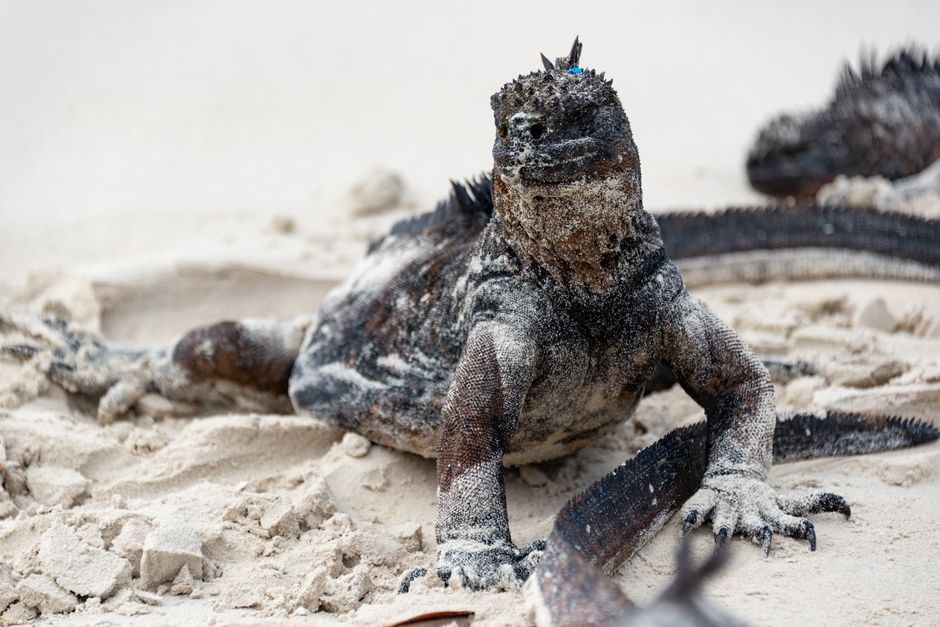
Why Does the Marine Iguana Sneeze Salt Out of Its Nose?
Learn how the marine iguana survives its salty sea diet by blowing surplus sodium right out of its nostrils.
 🦎Reptiles
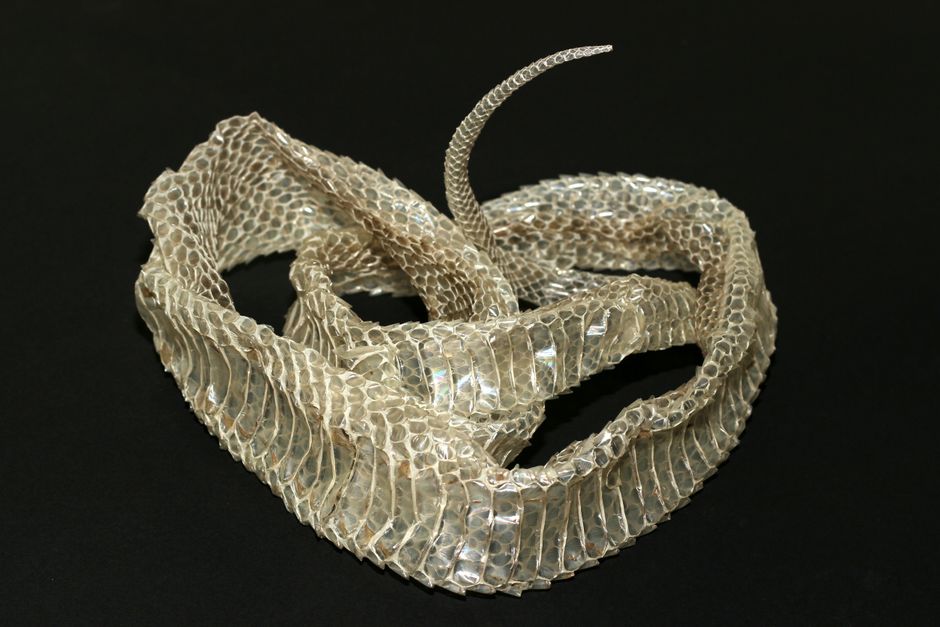
How Do Yellow-Bellied Sea Snakes Shed Skin Without Land?
Learn how the yellow-bellied sea snake stays clean and sheds skin in the middle of the ocean by tying itself in knots.
 🦎Reptiles
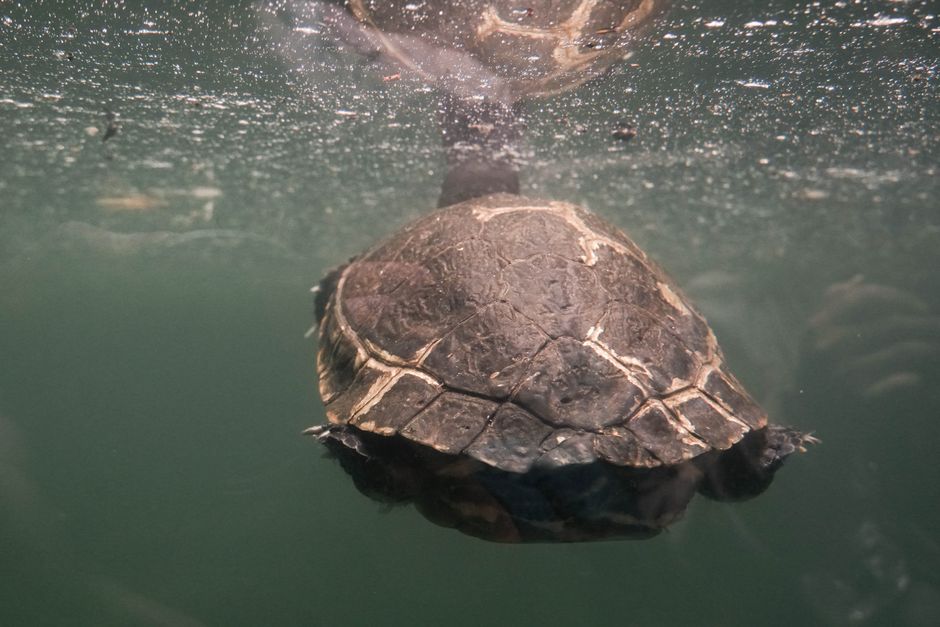
Do Turtles Really Breathe Through Their Rear Ends?
Aquatic turtles have a bizarre survival adaptation called cloacal respiration that lets them absorb oxygen underwater during freezing winters.