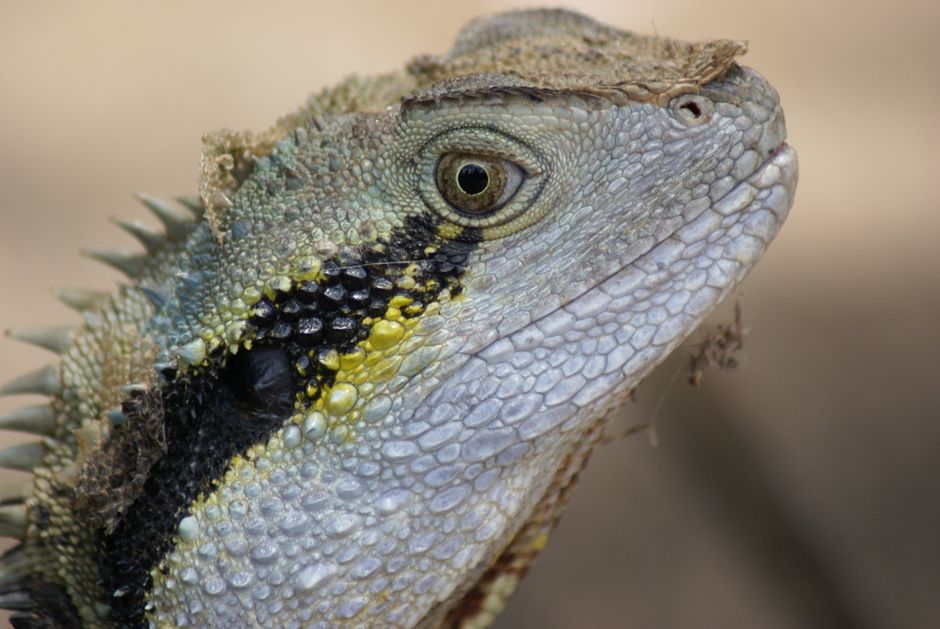
Why Does the Horned Lizard Shoot Blood From Its Eyes?
If you have ever come across a horned lizard, you might already know about its unusual reputation in nature. Pet parents and reptile enthusiasts often ask about this creature after hearing wild stories about its bizarre survival tactics. Understanding how these desert animals protect themselves can help you appreciate just how unique they truly are.
Why Does a Horned Lizard Shoot Blood From Its Eyes?
A horned lizard shoots blood from its eyes to deter hungry predators when standard escape tactics fail. This incredible mechanism is a last resort defense that kicks in when the animal feels directly threatened by a dangerous enemy. By increasing the blood pressure inside its head, the lizard restricts blood flow leaving its skull. This causes tiny blood vessels in the corners of its eyes to rupture, sending a stream of blood outward toward the attacker.
While the act might sound painful or harmful to the lizard itself, it is a deliberate physiological process that the animal can control. The lizard can aim the stream directly at the mouth or face of an approaching predator. Predators are usually stunned by the sudden spray, which gives the small reptile a precious moment to escape into nearby brush or burrows.
How Far Can The Blood Stream Travel?
The stream of blood can travel several feet away from the lizard's eyes. This impressive range allows the animal to hit larger predators before they get close enough to strike. The pressure built up behind the eye sockets creates enough force to startle hungry animals that are much bigger than the lizard itself. It is a remarkable adaptation that turns the lizard's own circulatory system into an active defense line.
What Makes Horned Lizard Blood So Effective Against Predators?
The main reason this blood defense works so well is that it tastes terrible and smells foul to predatory mammals. While a sudden spray of liquid can startle an attacker, the chemical taste of the blood is what actually stops a predator from eating the lizard. Scientists have noted that wild dogs, coyotes, and foxes show intense disgust when sprayed in the mouth by this liquid. These animals will often shake their heads, whine, and spend several minutes trying to clean their mouths out, completely forgetting about their hunt.
Interestingly, this foul taste seems specifically targeted at mammalian predators rather than birds or other reptiles. Hawks and snakes do not seem bothered by the flavor in the same way that coyotes are. Because of this specialized defense, the lizard usually saves this dramatic trick for canine and feline hunters that rely on sight and smell while hunting near the ground.
Do Horned Lizards Make Good Pets for Beginners?
No, horned lizards generally do not make good pets for beginners because they have extremely strict captive care needs. In the wild, their diet consists almost entirely of specific harvester ants, which are difficult for most pet parents to source in large quantities safely at home. Without the proper balance of live, natural food items and correct lighting, these reptiles can quickly develop serious health problems in captivity.
Additionally, these lizards are prone to high stress levels when handled or placed in unfamiliar surroundings. If you are ever managing health concerns or considering specialized habitat setups for a captive reptile, you should consult an exotic-animal veterinarian for professional guidance. Before buying any new animal, always research its full adult diet and housing needs to ensure you can support its lifelong health. You can explore our reptiles section to learn more about easier lizard species that thrive in home enclosures.
Specialized Environmental Needs to Keep in Mind
Recreating a natural desert habitat for a specialized lizard requires precise gradient heating, intense light, and correct substrate choices. Soil and sand mixtures must allow for natural burrowing behavior without causing accidental impaction during feeding. Because wild populations face habitat loss, taking wild-caught specimens is strongly discouraged and often illegal in many regions. Reptile keepers should always stick to captive-bred species that adapt far better to indoor living conditions.
How Do Horned Lizards Protect Themselves Before Using Their Eyes?
Horned lizards rely on clever camouflage, body flattening, and sharp physical spines long before resorting to squirting blood. When a threat approaches, the lizard usually freezes in place against rocks or sand where its mottled skin blends in completely. If the predator continues to approach, the lizard flattens its body against the ground to minimize its shadow and make itself harder to spot from above.
If discovered, the lizard will puff itself up with air to appear much larger and harder to swallow. The sharp horns surrounding its head and the spiky scales along its sides make it a painful mouthful for many smaller predators. Squirting blood requires significant energy and physical effort, so the lizard only relies on it when these visual and physical deterrents fail to work.
Final Thoughts
The horned lizard is one of the most fascinating desert creatures found in nature. Learning about its unique eye defense helps us understand how desert wildlife adapts to harsh conditions and constant predator threats. Whether you are studying wild reptiles or exploring pet options, respecting these specialized animals and their natural habitats is key to their ongoing protection.
Frequently Asked Questions
Does shooting blood from its eyes harm the horned lizard?
No, shooting blood from its eyes does not cause permanent damage to the horned lizard. The ruptured ocular vessels seal and heal quickly without causing lasting harm to the animal.
What do horned lizards eat in the wild?
In the wild, horned lizards primarily eat native harvester ants along with small insects like beetles and spiders. Their digestion is specifically adapted to handle the tough chitin of these insects.
Where are horned lizards naturally found?
Horned lizards live naturally in arid and semi-arid desert environments across parts of North and Central America. They prefer areas with loose sand and rocky soil where they can burrow.
How big do horned lizards grow?
Most horned lizards remain relatively small, usually growing between three to five inches long in total length. Their wide, flat bodies make them look somewhat larger than they actually are.
Explore More Reptiles Guides
 🦎Reptiles
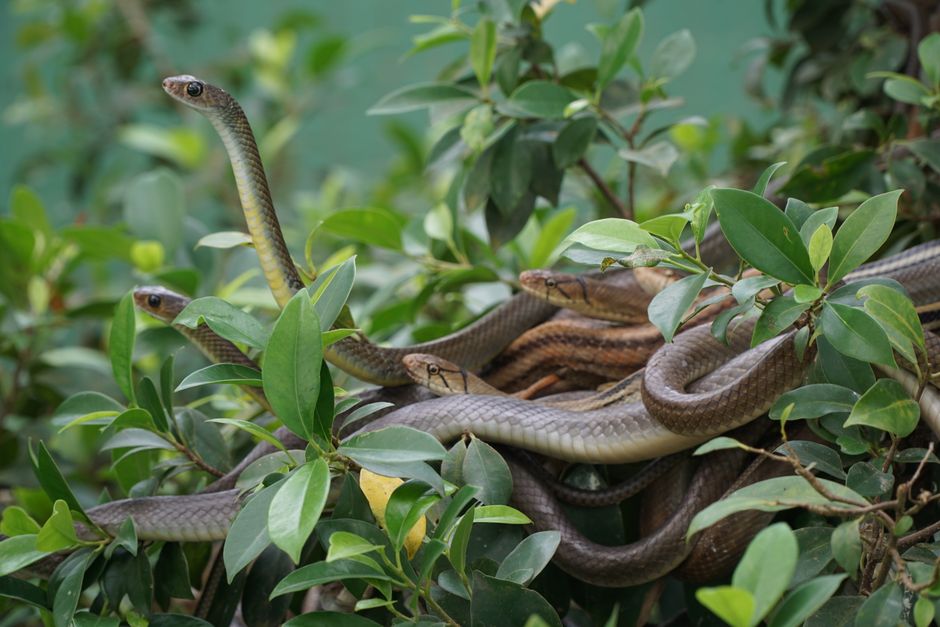
Why Is the Brown Treesnake So Successful on Guam?
Discover how the invasive brown treesnake spread across Guam, its mild venom, adult size, and ecological impact.
 🦎Reptiles
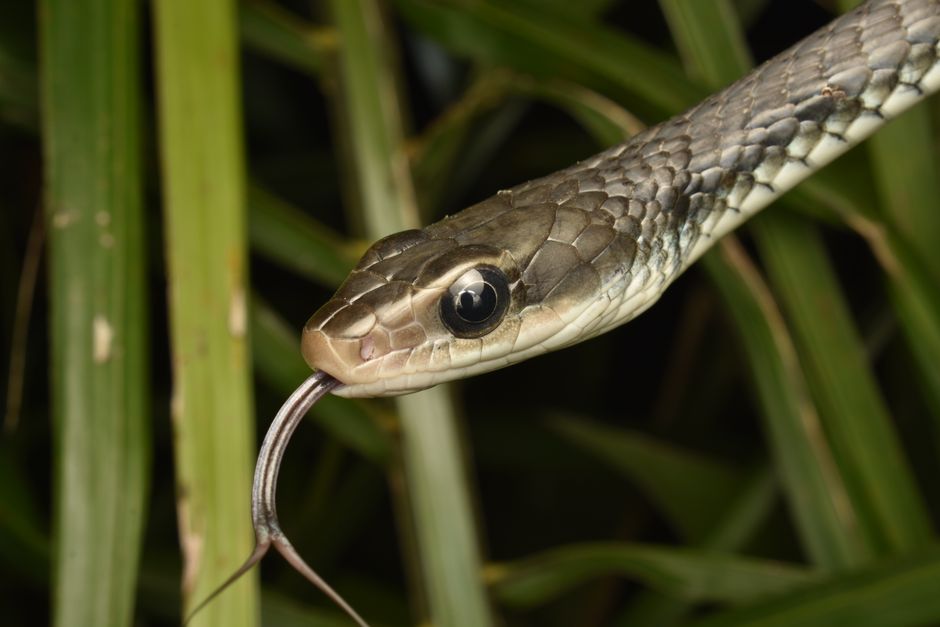
Why Are Venomous Snakebites Linked to Poverty?
New research spanning five decades shows that snakebite risks follow clear economic patterns rather than random chance.
 🦎Reptiles
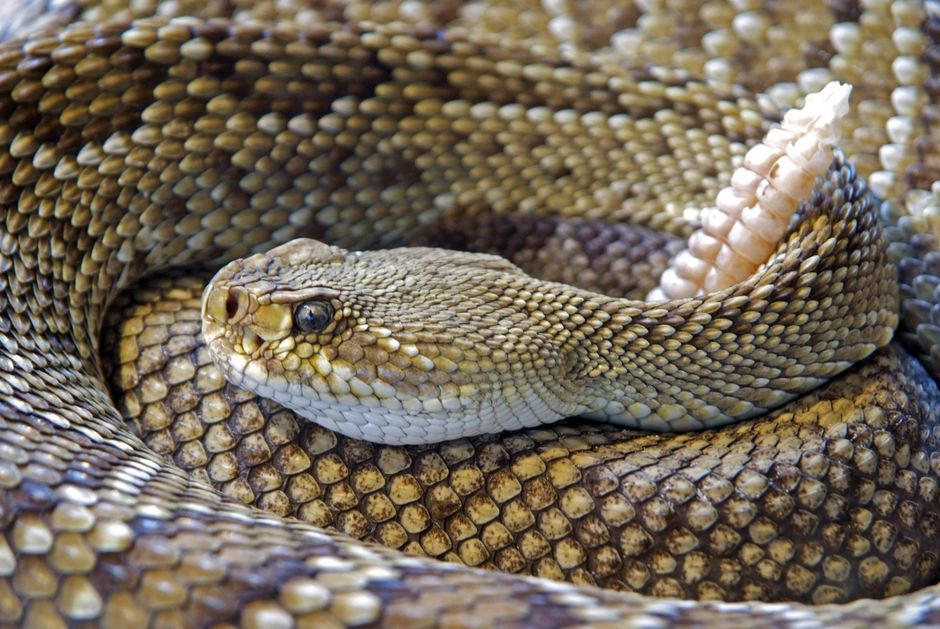
Can Western Diamondback Rattlesnake Venom Create Universal Antivenin?
New research into Western Diamondback Rattlesnake venom could help scientists develop universal antivenin for snake bites.