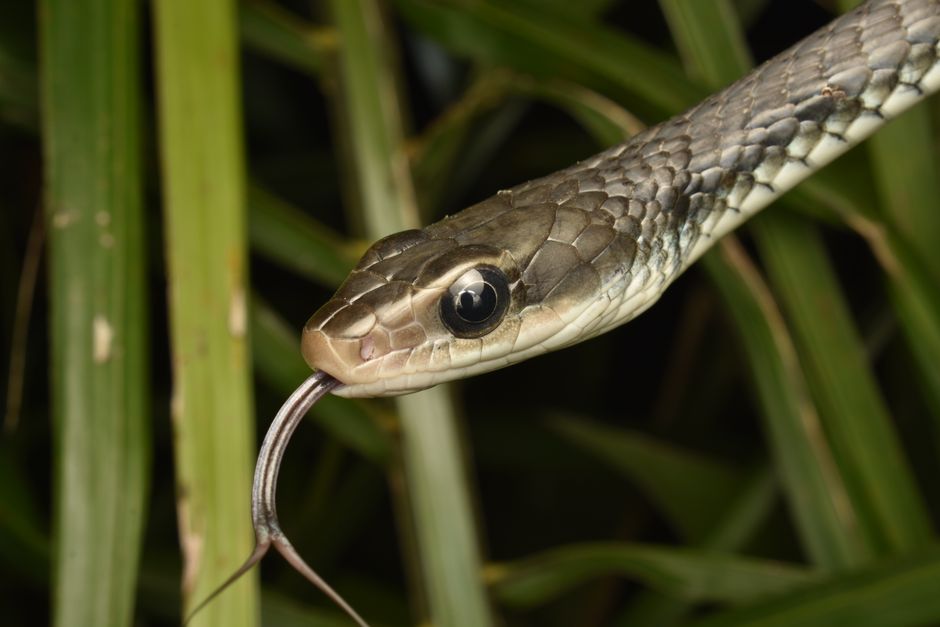
Why Are Venomous Snakebites Linked to Poverty?
If you care deeply about reptiles or share your home with unique exotic pets, you might wonder why venomous snakes cause such frequent safety concerns in certain parts of the world. Understanding how wild snakes interact with human communities helps us appreciate animal behavior while keeping both pets and people safe. Long term scientific reviews show that these tragic encounters are rarely random bad luck, but rather the direct result of systemic economic challenges.
Why Are Venomous Snakebites Linked to Poverty?
Venomous snakebites are strongly linked to poverty because people in lower income rural regions spend more time working outdoors, living in unsealed structures, and walking without protective footwear. Researchers analyzed 142 distinct studies collected over nearly five decades to understand the underlying causes of snake encounters. Their findings demonstrated that bite rates follow strict, predictable patterns that line up directly with local socio-economic conditions rather than unpredictable animal behavior.
In many agricultural communities, workers must tend crops by hand in dense vegetation where native reptiles hunt for prey. When homes lack solid floors, screened windows, or elevated beds, snakes seeking warmth or chasing rodents can easily enter living spaces. A lack of outdoor lighting at night also makes walking between homes hazardous. The financial inability to buy high rubber boots or maintain sturdy home construction leaves entire families exposed to native species on a daily basis.
How Economic Factors Increase Human Reptile Encounters
Agricultural practices in developing regions often require storing harvested grain inside or right next to residential homes. Stored grain attracts small rodents, which in turn draw hungry hunting snakes directly toward human sleeping areas. When communities lack adequate trash disposal and rodent control, the surrounding environment becomes an ideal hunting ground for venomous snakes. This close proximity creates constant opportunities for defensive bites, especially during harvest seasons when human activity peaks.
Are Wild Snake Encroachments a Result of Bad Luck?
No, wild snake bite incidents are not simply a matter of bad luck, as scientific data spanning nearly fifty years proves that systemic living conditions dictate the frequency of encounters. When researchers examined half a century of documentation, the geographic and social patterns were remarkably consistent across different continents and species. People living in under-resourced regions suffer bites at drastically higher rates than those living in modern, well-built suburban environments.
This clear pattern proves that reducing snake encounters requires structural improvements rather than relying on chance. Better home construction, clear pathways, regular pest control, and accessible healthcare can dramatically reduce dangerous interactions. If you ever have questions about wild reptiles in your region or want to know how native species might affect your domestic animals, consult an exotic-animal veterinarian for specific guidance on keeping your property safe.
Why Healthcare Access Changes Snakebite Outcomes
Beyond the initial bite itself, poverty severely affects a person's ability to receive prompt medical treatment. Rural regions often lack nearby clinics, reliable transportation, or specialized antivenom supplies needed to treat serious envenomation rapidly. Delays in receiving proper medical care turn manageable bites into long term medical emergencies. Improving rural transport, funding local medical facilities, and training healthcare workers are essential steps in resolving this global issue.
How Can Communities Prevent Venomous Snake Encounters?
Communities can prevent venomous snake encounters by clearing high grass near homes, securing food storage to discourage rodents, and providing workers with tall protective boots. Simple preventative measures significantly lower the chance of accidental contact with native reptiles. Teaching residents about local snake behavior helps people recognize high risk areas, such as brush piles, rock walls, and wood heaps where snakes like to hide.
Public education programs that teach people how to react calmly during a snake sighting also reduce defensive strikes. Snakes generally prefer to avoid human confrontation and only bite when threatened, stepped on, or cornered. Community initiatives that provide flashlights for night walking and support clean garbage management remove the primary attractants that draw snakes near human dwellings.
How Do Wild Venomous Snakes Impact Local Ecosystems?
Wild venomous snakes play a vital role in local ecosystems by keeping rodent populations under control and balancing rural food chains. Removing snakes entirely from an area often leads to rodent outbreaks, which damage crops and spread vector-borne diseases to humans. Therefore, resolving the snakebite issue requires protecting human lives through better infrastructure rather than attempting to eradicate native wildlife.
Coexisting safely with native snakes means respecting their ecological role while building safer living spaces for human families. When communities invest in sturdy footwear, improved housing, and clean sanitation, snakebite rates drop without harming beneficial wild populations.
Final Thoughts
Understanding that snakebites are rooted in socio-economic conditions changes how we approach reptile safety and global conservation efforts. By addressing poverty, improving rural infrastructure, and practicing cautious habits, communities can dramatically lower bite risks while respecting native wildlife. For pet parents and reptile lovers, supporting ethical conservation and community safety helps create a balanced environment where humans and venomous snakes can peacefully coexist.
Frequently Asked Questions
What attracts snakes to human homes?
Snakes are primarily attracted to human homes by abundant prey like mice and rats, as well as sheltered spots like woodpiles and dense yard clutter. Securing food storage and keeping yards clear helps deter them.
Do venomous snakes bite without being provoked?
Venomous snakes rarely bite without cause and typically strike only when cornered, startled, or stepped on. They view humans as large predators and prefer to flee whenever possible.
What gear best protects against snakebites outdoors?
Wearing thick leather or rubber boots alongside loose fitting long pants offers strong protection against defensive snake strikes. Using a bright flashlight during nighttime walking is also an easy way to avoid stepping on hidden snakes.
Why is snake antivenom hard to get in rural areas?
Antivenom often requires specialized cold storage and trained medical staff, which remote clinics frequently lack. High production costs and distribution challenges also make it difficult for low-income communities to keep adequate supplies on hand.
Explore More Reptiles Guides
 🦎Reptiles
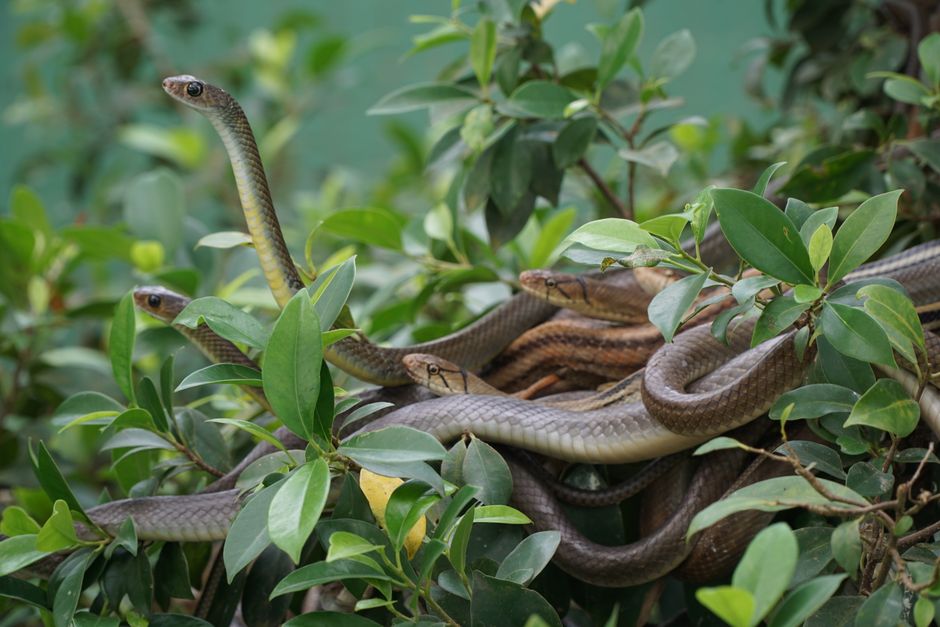
Why Is the Brown Treesnake So Successful on Guam?
Discover how the invasive brown treesnake spread across Guam, its mild venom, adult size, and ecological impact.
 🦎Reptiles
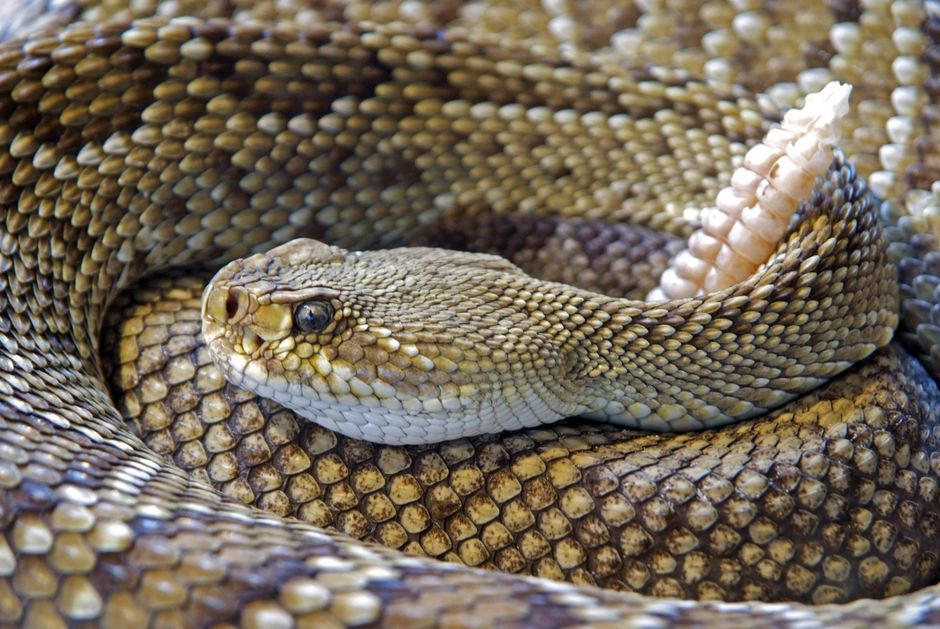
Can Western Diamondback Rattlesnake Venom Create Universal Antivenin?
New research into Western Diamondback Rattlesnake venom could help scientists develop universal antivenin for snake bites.
 🦎Reptiles
Do You Need a Leash for Your Corn Snake in Public?
Proposed state regulations may require leashes or physical restraints for educational reptiles like corn snakes in public settings.