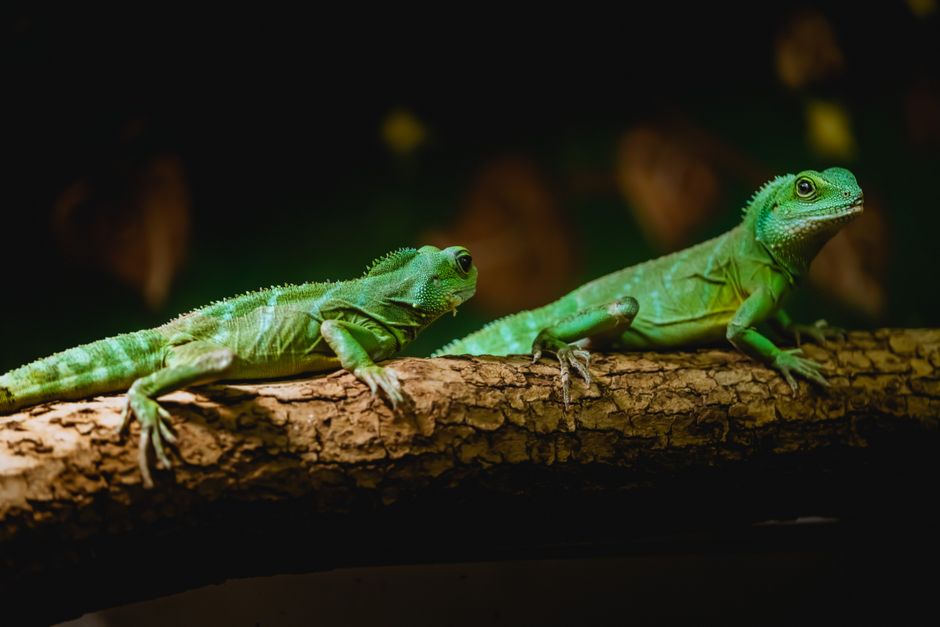
How Can You Tell If Your Pet Lizard Is Male or Female?
How Do You Tell If a Lizard Is Male or Female?
Bringing home a new pet lizard is an exciting milestone for any reptile parent, but figuring out whether your scaled companion is male or female often leaves owners guessing. Knowing the sex of your pet lizard helps you choose an appropriate name, understand seasonal behavior shifts, and prepare for specific housing or dietary requirements. Here is what you need to look for when identifying your pet lizard's sex safely at home.
You can tell your lizard's sex by looking at key physical traits like femoral pores, tail base shape, and overall body size. In many common pet reptile species, mature males display much larger femoral pores along the underside of their thighs compared to females. These pores produce natural secretions that males use to mark territory throughout their environment. Males also tend to have broader heads, brighter coloration during breeding season, and thicker tail bases due to the presence of hemipenes. Females usually have smaller pores, a narrower tail base, and a slightly slimmer overall build.
Checking for Femoral Pores
Femoral pores appear as a distinct row of small spots or raised bumps running horizontally along the underside of a lizard's hind legs. On mature males, these spots are typically raised, prominent, and clearly visible to the naked eye. Females often have very small, faint pores that blend into the surrounding scales, or they may lack visible pores entirely depending on the specific species.
Looking at the Base of the Tail
The area right below the vent at the base of the tail offers another strong clue about your reptile's sex. Males carry paired reproductive organs called hemipenes, which create two visible vertical bulges under the skin on either side of the tail base. In contrast, females typically feature a single centered bulge or a completely flat surface along the underside of their tail.
Can You Tell a Lizard's Sex When They Are Babies?
No, it is usually very difficult or impossible to determine a lizard's sex until they reach sexual maturity. Hatchlings and young juveniles look practically identical because their secondary sexual traits have not developed yet. Attempting to force physical identification on a tiny juvenile can cause unnecessary stress and potential physical injury to your pet. Most species need several months of growth before physical features like pore size or tail bulges become reliable indicators. Waiting until your pet matures ensures you get an accurate answer without causing distress.
How Do You Safely Lift a Lizard to Check Its Underside?
You should lift your lizard gently by supporting its full body from underneath with both hands rather than picking it up by the tail. Gently scoop up your reptile from below while supporting their abdomen and feet firmly. Once your pet feels secure, you can carefully tilt them slightly backward or place them inside a clear glass container so you can view their belly without turning them upside down. Never force a lizard onto its back, as this position makes breathing difficult and creates severe anxiety for the animal. If your reptile shows signs of squirming or distress, place them back in their habitat and try again later when they are calm.
When to Ask an Exotic Veterinarian
If you are unsure about your lizard's sex after inspecting these physical traits, scheduling a checkup with a qualified exotic animal veterinarian is the safest choice. A professional exotic vet can perform specialized procedures such as probing or backlight translucency tests to confirm your pet's sex accurately. Regular vet visits also give you the opportunity to confirm that your reptile's housing environment, diet, and overall health are fully optimized for their long term care.
Final Thoughts
Determining whether your lizard is male or female takes a bit of patience and careful observation. Once you learn what visual cues to look for, you can better cater to your pet's unique physical and behavioral needs. Enjoy watching your reptile grow and settle into their home as you build a strong bond together.
Frequently Asked Questions
Does lizard sex affect their personality?
Yes, male and female lizards often show subtle behavioral differences, especially during breeding season when males may become more territorial. However, individual temperament varies widely based on care, handling, and specific species.
Can female lizards lay eggs without a male?
Yes, females of many lizard species can lay infertile eggs even if they have never been near a male. It is important to provide proper calcium and a suitable nesting box if your female shows signs of egg production.
What is probing and is it safe for pet lizards?
Probing is a procedure where a specialized smooth instrument is inserted into the vent to measure depth and determine sex. It should only be performed by an experienced exotic veterinarian to prevent serious injury to your pet.
Do male and female lizards require different enclosure setups?
Most male and female lizards require similar temperature and lighting conditions within their enclosures. However, females may need a dedicated dig box with moist substrate when preparing to lay eggs.
Explore More Reptiles Guides
 🦎Reptiles
How Do Yellow-Bellied Sea Snakes Shed Skin Without Land?
Learn how the yellow-bellied sea snake stays clean and sheds skin in the middle of the ocean by tying itself in knots.
 🦎Reptiles
Do Turtles Really Breathe Through Their Rear Ends?
Aquatic turtles have a bizarre survival adaptation called cloacal respiration that lets them absorb oxygen underwater during freezing winters.
 🦎Reptiles
How to Help a Sick Bearded Dragon Recover and Bounce Back
Discover how to spot early signs of illness and support your bearded dragon through a full health recovery.