
What Should You Do If You Find an Abandoned Box Turtle?
What Should You Do If You Find an Abandoned Box Turtle?
Recent news of more than 150 box turtles illegally dumped near a river in Cranford, New Jersey, has left many reptile lovers shocked and asking what drives people to abandon these gentle creatures. Many pet parents wonder what steps they should take if they encounter a stray reptile or need to surrender their own shell friend. Events like this highlight the urgent need for better public education regarding turtle welfare and surrender options. Knowing how to handle these situations properly protects both local ecosystems and individual turtle lives.
If you find an abandoned box turtle, you should contact a local wildlife rescue or animal control officer immediately rather than taking matters into your own hands. These specialized organizations possess the resources to assess the health of the animal, determine whether it is native or non native to the area, and place it in an appropriate environment. Leaving a domestic or stressed reptile near a body of water or in a public park can quickly turn fatal. Emergency responders and local wildlife rehabilitators often work together during mass abandonment incidents to provide medical evaluations and temporary housing. When reporting a found animal, note the exact location, time of day, and physical condition of the turtle to help rescue teams respond effectively.
Why Releasing Captive Box Turtles Is Dangerous
Releasing captive reptiles into the wild poses serious risks to native wildlife populations and local environments. Domesticated or long term captive turtles often lack the natural foraging skills required to find adequate food in the wild. They may also carry hidden pathogens or parasites that can quickly spread to wild populations, devastating local ecology. Additionally, releasing a land dwelling species near deep or fast flowing water can lead to accidental drowning if they are mistaken for aquatic species.
Can You Keep a Found Wild Box Turtle as a Pet?
No, you should never take a wild box turtle from its natural habitat to keep as a household pet. Removing wild turtles from their native home destabilizes local breeding populations, which are already struggling against habitat loss and road traffic. Wild reptiles typically experience severe stress when placed in aquariums or indoor enclosures, leading to immune system collapse and feeding refusal. If you observe a wild turtle safely crossing a road, the best action is simply to move it across in the direction it was already heading. If you are interested in adding a turtle to your family, always adopt from a reputable sanctuary or buy a captive bred individual from a responsible breeder. You can learn more about general reptile management by checking out our dedicated reptiles section.
Legal Risks and Conservation Impact
In many states and regions, taking wild turtles from the forest or roadside is illegal and carries heavy fines. Wildlife laws exist to protect native species from population drops caused by illegal collection and trade. Capturing wild animals harms the fragile balance of local forests, where these animals help control insect numbers and spread seeds. Respecting wildlife laws ensures these slow moving creatures remain a part of our natural parks for generations to come.
How Can You Responsibly Surrender a Pet Box Turtle?
You can responsibly surrender a pet box turtle by reaching out to licensed reptile rescues, local humane societies, or specialized exotic animal shelters. Life circumstances change, and sometimes an owner can no longer fulfill the long term care commitments that a reptile requires. Placing your pet with a registered adoption group ensures they receive proper lighting, nutritional diets, and medical care from experienced keepers. Local herpetological societies and exotic animal vets often keep lists of experienced adopters who are willing to take in surrendered pets. Before adopting any reptile, prospective owners should thoroughly research space requirements, daily upkeep, and potential lifespans to prevent future surrender situations. If you notice signs of illness or injury during the surrender process, consult an exotic veterinarian for professional guidance on safe transport and medical evaluation.
Final Thoughts
The box turtle is a remarkable animal that relies on responsible humans for protection both in nature and in domestic homes. By choosing adoption and contacting qualified rescues when help is needed, you play a direct role in keeping these reptiles safe. Sharing accurate care information with fellow pet parents helps ensure no box turtle is left behind or abandoned in unsafe conditions.
Frequently Asked Questions
Is it illegal to release a pet box turtle into the wild?
Yes, releasing non-native or captive pet box turtles into the wild is illegal in most regions due to wildlife protection laws. It risks spreading diseases to wild populations and often leads to the death of the pet.
Can box turtles swim in deep water?
No, box turtles are primary land-dwelling reptiles and are poor swimmers compared to aquatic turtles. Placing a box turtle near deep or fast-moving water can result in accidental drowning.
How long can an abandoned box turtle survive without help?
While reptiles have slow metabolisms, abandonment without access to proper food, clean hydration, and proper temperatures leads to severe health decline. Immediate intervention by a rescue group is necessary.
Where is the safest place to rehome a pet turtle?
The safest place to rehome a pet turtle is through a licensed exotic animal rescue, local humane shelter, or herpetological society. These organizations verify that new owners have proper enclosures and husbandry knowledge.
Explore More Reptiles Guides
 🦎Reptiles
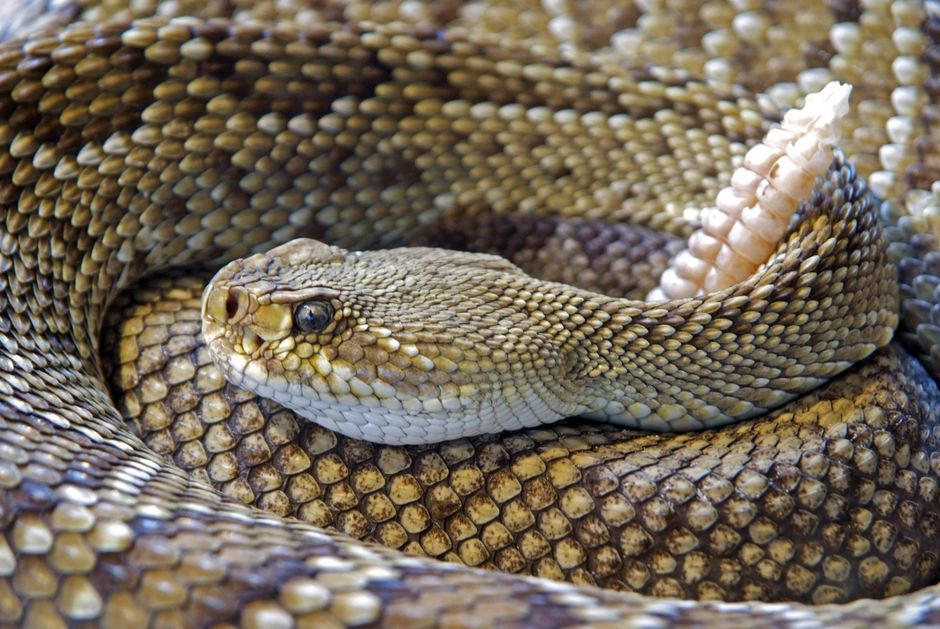
Can Western Diamondback Rattlesnake Venom Create Universal Antivenin?
New research into Western Diamondback Rattlesnake venom could help scientists develop universal antivenin for snake bites.
 🦎Reptiles
Do You Need a Leash for Your Corn Snake in Public?
Proposed state regulations may require leashes or physical restraints for educational reptiles like corn snakes in public settings.
 🦎Reptiles
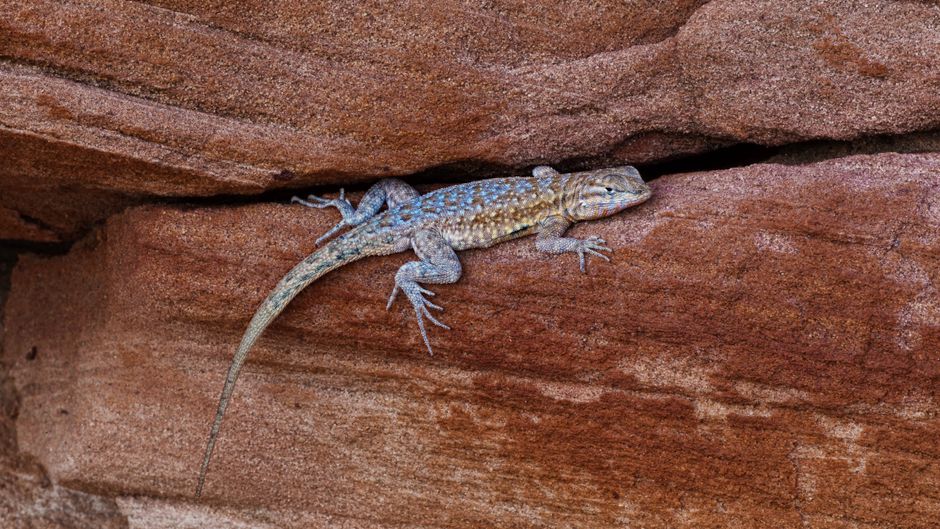
Dunes Sagebrush Lizard Protection Update: What You Need to Know
Recent legal settlements have ended federal protections for the dunes sagebrush lizard while agencies prepare a new status assessment.