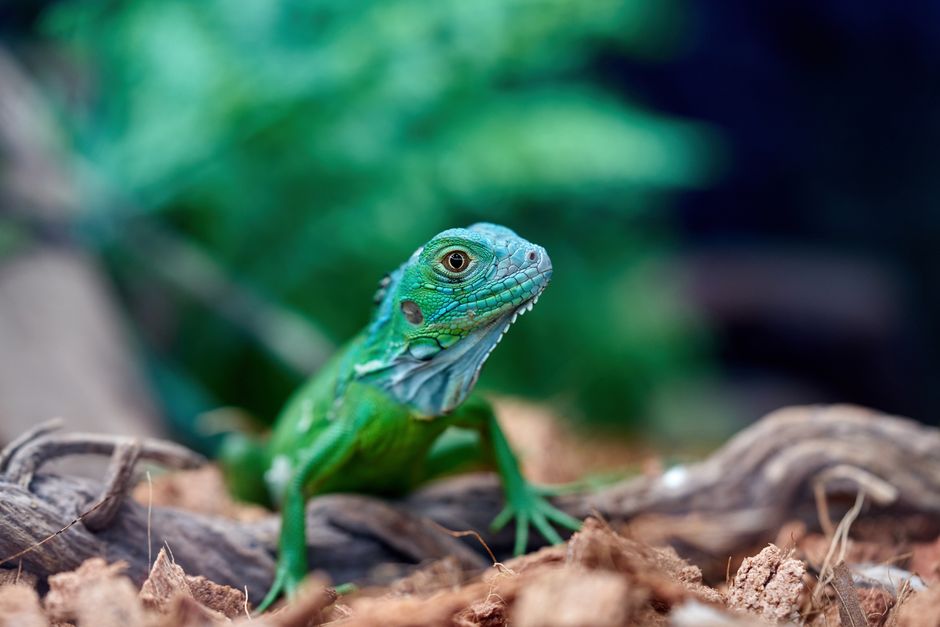
Is Exotic Pet Insurance Worth It for Gotcha Day?
Bringing home a new unusual companion on Gotcha Day is a memorable milestone filled with setup preparations, special treats, and plenty of photos. Many fresh pet parents wonder how to best protect their bond from day one and avoid unexpected stress if a health issue suddenly pops up. Setting up a dedicated health policy right away is often the most thoughtful and practical gift you can offer your new family member.
Is Exotic Pet Insurance Worth Getting on Gotcha Day?
Yes, signing up for exotic pet insurance on your pet's official arrival day is completely worth it because it secures early protection before pre-existing conditions can develop. Non-traditional companions often require specialized care from board-certified veterinarians, custom diagnostic testing, and tailored medications that general companion animal clinics cannot offer. When you secure a policy during those first few days at home, you protect your personal savings against sudden illness or unexpected injuries that might occur while your companion settles into their new environment.
Why Early Enrollment Protects Your Wallet
Enrolling your pet as soon as you bring them home prevents insurance companies from classifying minor pre-arrival symptoms as excluded pre-existing health conditions. Most insurance providers require a standard physical exam from a qualified veterinarian within thirty days of policy enrollment to confirm your pet's current health status. Completing this checkup early creates an official health baseline and gives you complete confidence that your policy will support you when emergency medical bills arise.
What Does Exotic Pet Insurance Actually Cover?
Exotic pet insurance policies typically cover unexpected veterinary expenses such as emergency room visits, advanced diagnostic imaging, specialized surgeries, and prescription therapies. Depending on your chosen plan, coverage can also assist with overnight stays at an animal hospital, specialized blood panels, and treatment for accidental physical injuries. Having financial support in place during an emergency allows you to make quick medical decisions based on your pet's immediate needs rather than your current bank balance.
Common Exclusions to Keep in Mind
Most basic insurance policies do not cover routine wellness care, annual physical exams, elective procedures, or medical issues that were documented before coverage started. Some insurance providers offer optional preventative care add-ons that help cover routine stool tests, nail trims, and annual health screenings for a small extra monthly cost. Always read through your policy documentation carefully and speak directly with customer service to verify which treatments qualify for reimbursement before unexpected vet bills occur.
How Do You Choose the Best Insurance Policy for an Exotic Pet?
Choosing the right policy involves carefully comparing reimbursement percentages, annual deductibles, monthly premiums, and specific species eligibility across different insurance providers. You should check whether the insurer offers customizable annual payout limits and whether they pay your veterinary clinic directly or require you to submit receipts for reimbursement. Speaking directly with the staff at your local exotic animal clinic about which insurance companies they frequently work with can also help guide your choice.
Key Policy Details to Verify First
Before finalizing your coverage, ask the insurance representative about mandatory waiting periods that must pass before emergency or illness coverage kicks in. Inquire about species-specific policy guidelines, such as proper habitat requirements or routine health checkup obligations, that could impact future claim approvals. Taking the time to ask these detailed questions upfront ensures that your policy functions smoothly when your pet needs medical attention.
How Much Does Exotic Pet Insurance Usually Cost?
Exotic pet insurance generally costs between fifteen and fifty dollars per month, depending heavily on the exact species, age, and location of your pet. Smaller animals with simpler medical needs often cost less to insure than larger or more delicate species that require intricate surgical procedures or frequent lab work. Adjusting your selected annual deductible and copay ratio allows you to create a customized plan that fits neatly within your monthly care budget without sacrificing quality coverage.
How Do You File a Claim for an Exotic Pet Vet Visit?
Filing a claim for an exotic pet vet visit usually involves submitting your itemized clinic invoice and medical records through your insurance provider's online portal or mobile app. After your veterinarian completes the examination and you pay the clinic directly, you upload the clear receipts along with a brief explanation of the visit. Most insurance companies process claims within a few business days and deposit your eligible reimbursement directly into your bank account.
Final Thoughts
Gifting your new companion an insurance policy on Gotcha Day is a practical act of care that protects their long-term health and your household finances. Remember to research a species' full adult habitat, environmental, and dietary needs before adoption, and establish a partnership with a skilled exotic veterinarian right away. Having reliable coverage in place from day one lets you spend less time stressing over unexpected medical expenses and more time building a happy life together.
Frequently Asked Questions
Can you insure older exotic pets?
Yes, many insurance providers offer coverage for older exotic animals, though pre-existing medical conditions will be excluded from coverage.
Does exotic pet insurance cover routine checkups?
Standard policies usually exclude routine wellness care, but some providers offer optional preventative add-ons to assist with routine exam costs.
How quickly does exotic pet insurance coverage start?
Most policies feature a waiting period ranging from a few days for accidents to a few weeks for illnesses before your coverage becomes active.
Do exotic pet insurance plans require an initial vet exam?
Yes, most insurers require a baseline physical examination performed by a licensed veterinarian within the first month of opening your policy.
Explore More Small Mammals Guides
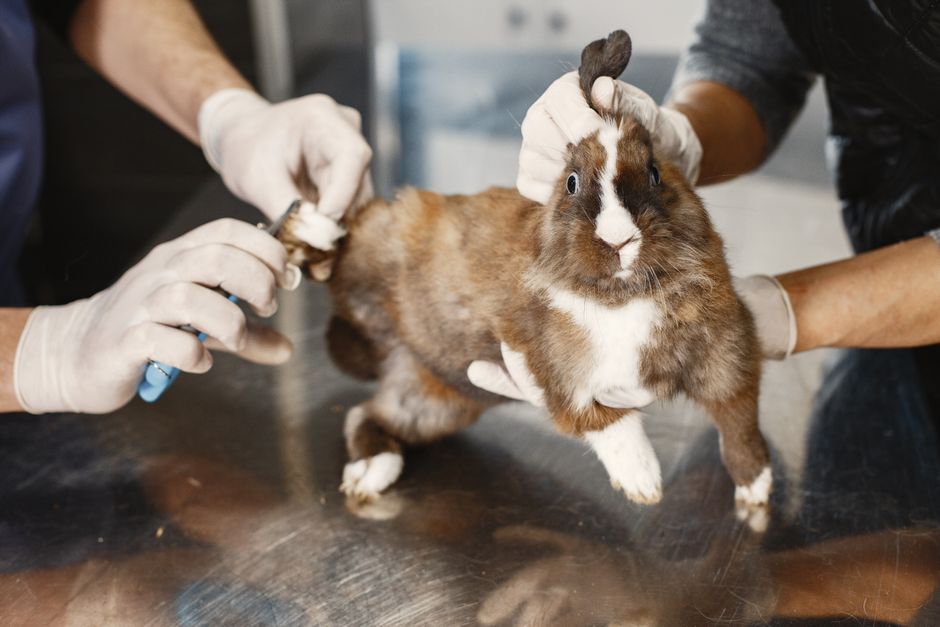 🐹Small Mammals
What Do New Vet Pricing Rules Mean for Exotic Pet Owners?
New vet pricing rules bring clearer cost estimates and flexible prescription options to exotic pet parents.
 🐹Small Mammals
How to Keep Your Pet Hamster Happy and Healthy
Learn the essentials of modern hamster care, from deep burrowing bedding to nutritious diets and daily exercise needs.